Do trickle vents let insects in?
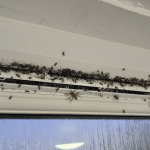
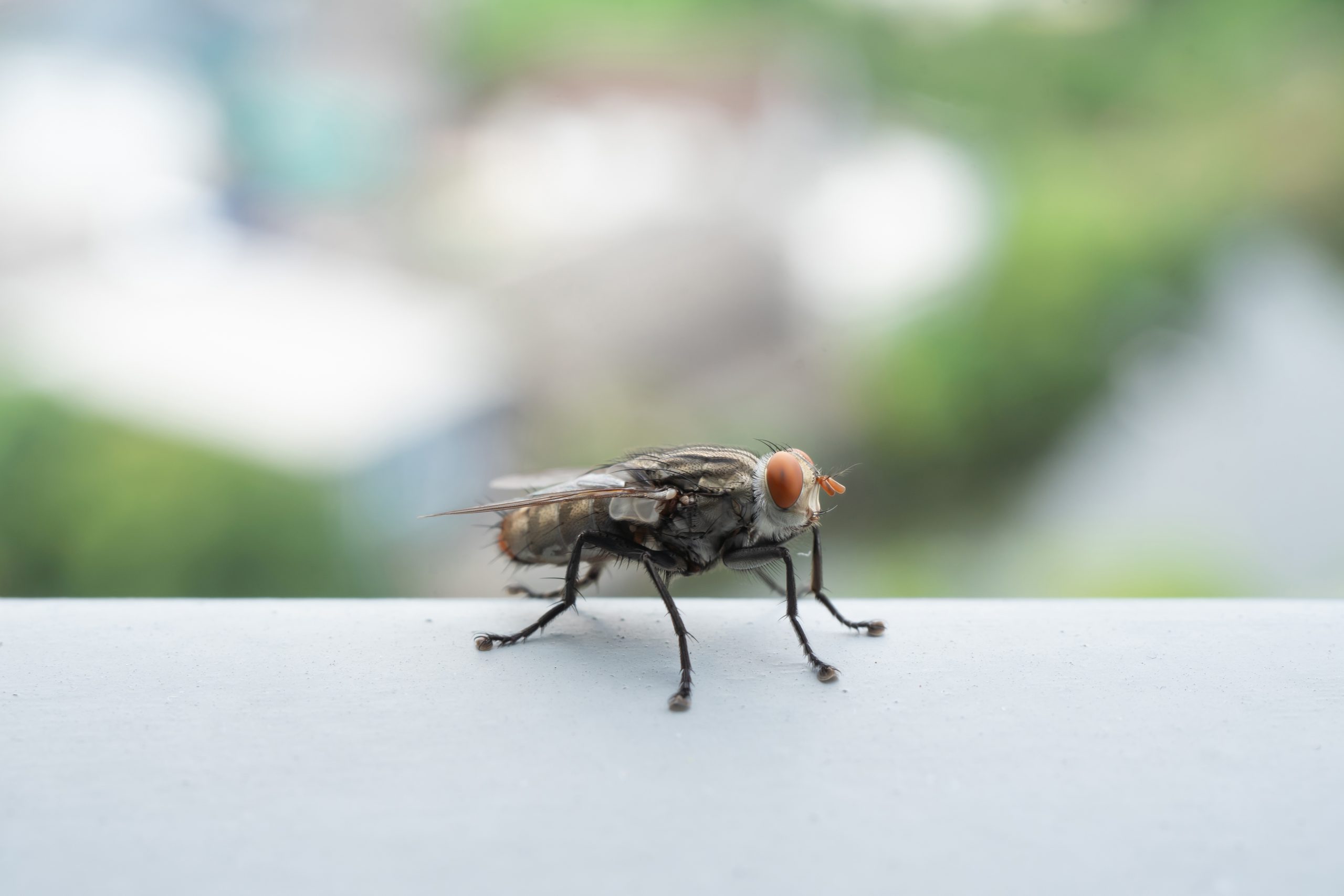
Trickle vents are designed to allow a continuous flow of fresh air into a property, and while they feature narrow openings, they can’t always stop insects, bugs, and flies entering the house. The size of the opening, typically a few millimetres, means smaller insects might still find their way through, particularly if there isn’t a fine mesh screen incorporated into the vent design.
Ensuring a home in the UK is properly ventilated is paramount for maintaining healthy indoor air quality and preventing issues like damp, condensation, and mould. Trickle vents, often found in modern window frames, play a role in this by providing a small, continuous airflow.
However, in many modern and airtight homes, trickle vents alone may not provide sufficient or well-controlled ventilation. In these cases, purpose-designed domestic ventilation systems can offer more effective airflow control, filtration, and comfort.
Explore VENTI ventilation products for healthier indoor air
The Design and Function of Trickle Vents
Trickle vents are typically long, narrow openings positioned at the top of a window frame or within the wall itself. Their design allows for a steady, low-level flow of air, which is crucial for compliance with building regulations, particularly Part F of the Building Regulations in England and Wales, which mandates adequate ventilation in new dwellings and certain refurbishments.
The concept behind them is elegant in its simplicity: a constant exchange of air reduces the build-up of pollutants, odours, and excess moisture. This, in turn, helps to mitigate problems like condensation and mould growth. Trickle vents, therefore, serve as a passive, always-on solution to maintain a baseline level of air circulation.
That said, passive ventilation solutions can be limited in their ability to manage airflow, filtration, and seasonal performance. Many homeowners and specifiers now look towards whole-house or room-based ventilation systems to provide consistent, controllable ventilation without relying solely on open apertures.
View VENTI whole-house ventilation solutions
The Uninvited Guests: Insects and Their Pathways
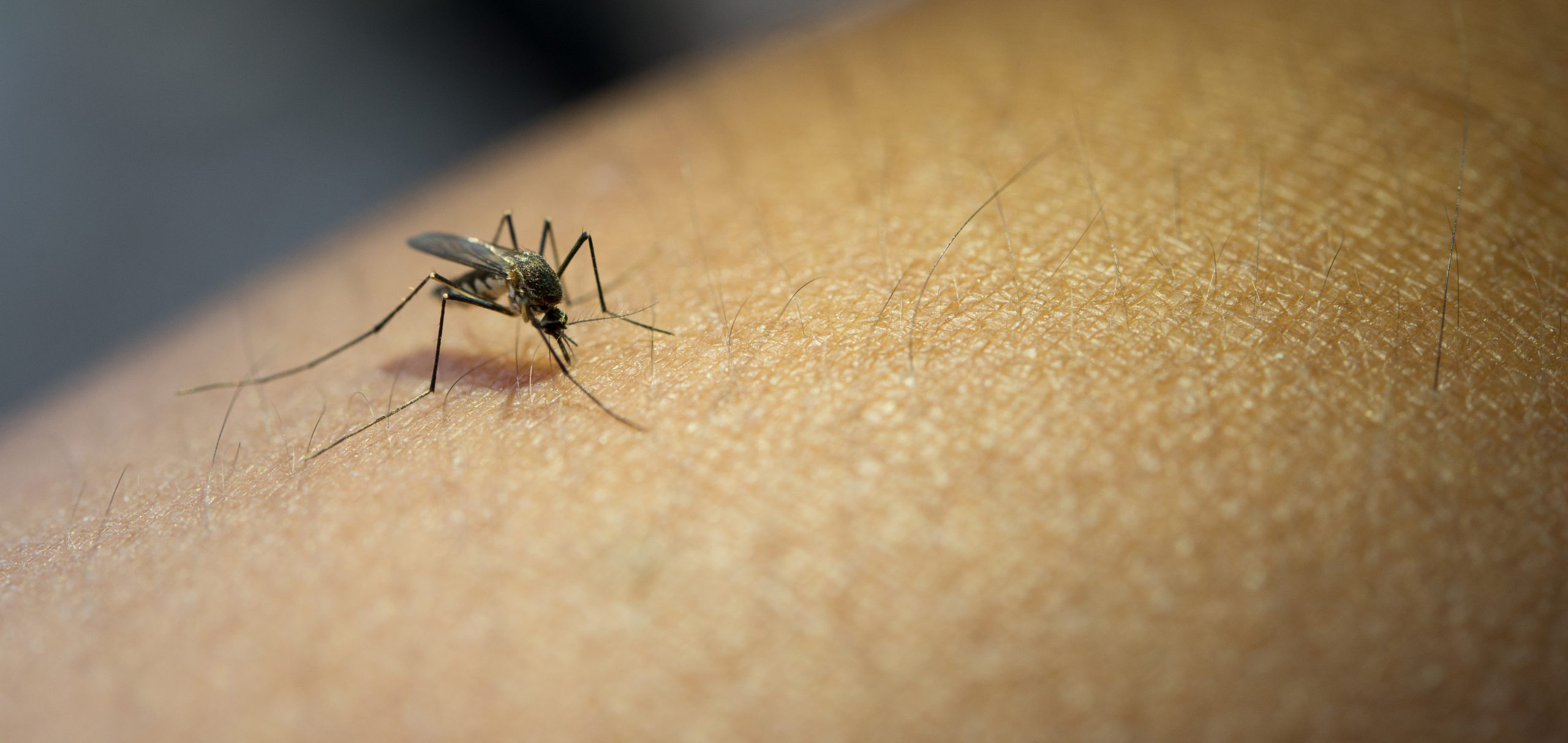
Despite their design, the reality is that the natural world is full of incredibly small organisms. Smaller insects such as gnats, midges, and even some species of smaller spiders can, and occasionally do, find their way through the narrow slots of a trickle vent.
Academic observations and anecdotal evidence from homeowners across the UK consistently suggest that complete insect exclusion by trickle vents alone is not guaranteed. They can’t always stop insects entering the house. This isn’t a design flaw, per se, but rather an inherent limitation of a passive ventilation system that relies on open apertures for air movement.
For homeowners who are particularly concerned about insects, draughts, or outdoor pollutants, mechanical ventilation systems with filtered air inlets can offer a more controlled alternative while maintaining compliance with ventilation requirements.
See VENTI filtered ventilation solutions
Factors Influencing Insect Entry
Several factors can influence the likelihood of insects entering through trickle vents:
- Insect Size
- Vent Design and Age
- Location of the Property
- Light and Heat Attraction
- Air Pressure Differentials
Where these factors combine, reliance on trickle vents alone may increase the likelihood of unwanted ingress. In such cases, a more comprehensive ventilation approach can help reduce reliance on open slots in windows while still ensuring healthy airflow.
Discover alternative ventilation options from VENTI
Mitigating the Risk: Practical Approaches
For homeowners concerned about insects, there are several practical steps that can be taken to mitigate the risk, whilst still ensuring adequate ventilation:
- External Meshing
- Internal Insect Screens
- Maintaining Cleanliness
- Strategic Lighting
- Consideration of Alternative Ventilation
For those seeking a longer-term solution that reduces dependence on open trickle vents, professionally designed ventilation systems can help manage airflow, filtration, and comfort more effectively.
Speak to VENTI about ventilation solutions for your home
The Broader Picture: Why Ventilation Matters Beyond Insects
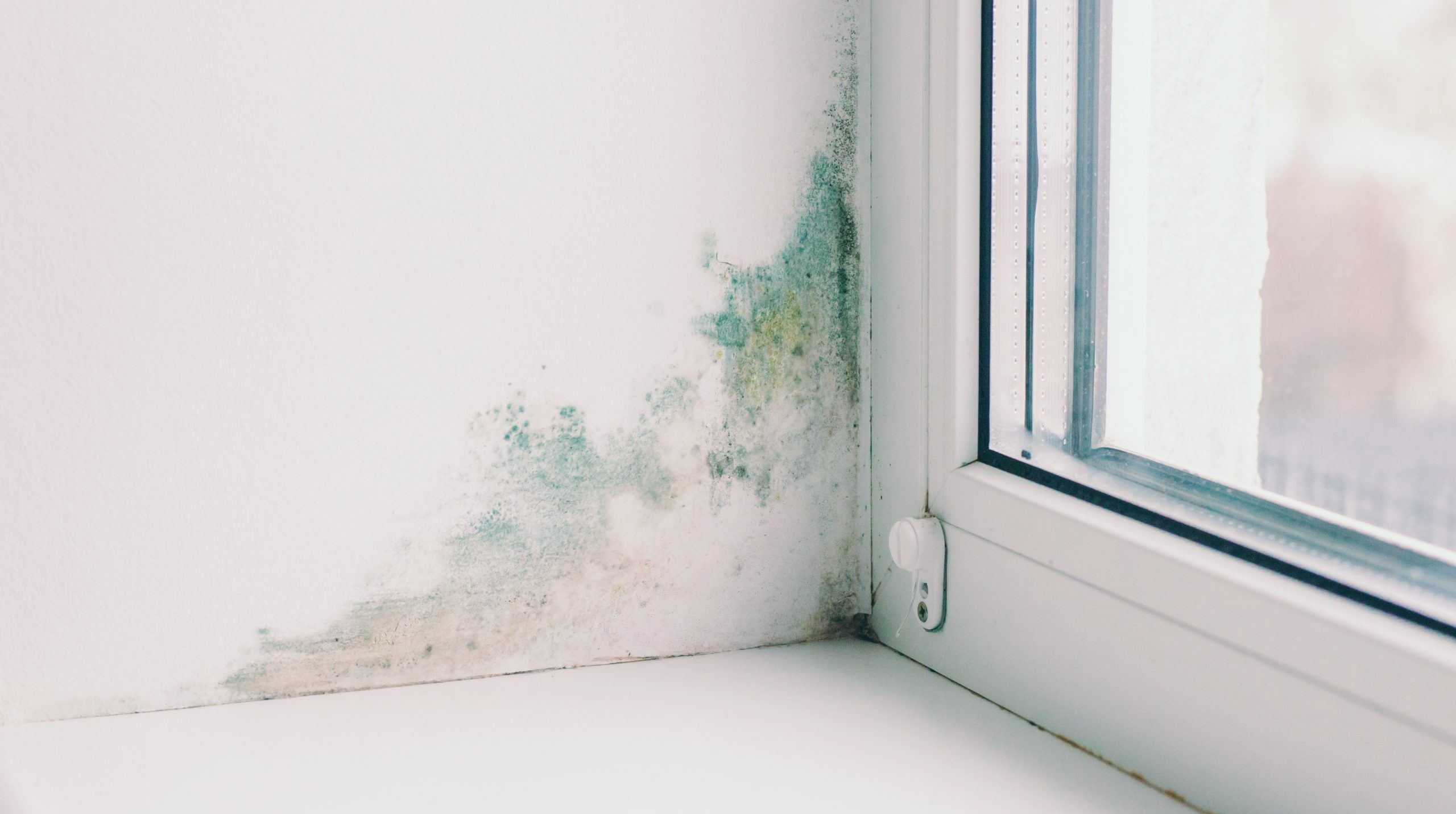
While the insect concern is understandable, it’s vital to remember the overarching importance of ventilation. Inadequate ventilation is a leading cause of damp, condensation, and mould in UK homes.
Furthermore, with the increasing airtightness of modern UK homes, natural air infiltration has dramatically decreased. This makes purposeful ventilation systems even more critical.
Ensure your home breathes freely and stays free from unwanted pests by exploring comprehensive ventilation solutions designed for optimal air quality and peace of mind.
Browse VENTI ventilation products
Contact VENTI for expert advice on improving ventilation in your home
Editor’s note:This blog was originally published 22 August 2025 and was updated 12 March 2026.